



Simple at-home or lab-based tests can detect early signs or precancerous changes long before cancer develops.


Early detection through imaging and risk assessment helps identify cancer before symptoms appear, when it’s most treatable.

Blood-based screening helps identify prostate cancer early, when treatment options are most effective.

Low-dose CT scans can detect lung cancer early in high-risk individuals, often before symptoms arise.

Routine screening identifies abnormal cells early, preventing cancer before it starts.

Routine screening identifies abnormal cells early, preventing cancer before it starts.
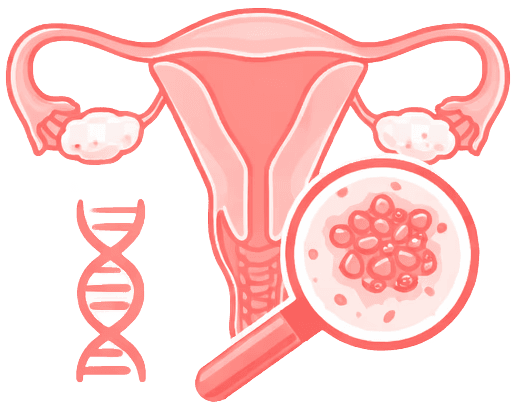
Routine screening identifies abnormal cells early, preventing cancer before it starts.
Genetic testing identifies inherited risk factors, enabling earlier and more personalized screening strategies.

Advanced blood tests can screen for multiple cancers at once, helping detect signals early across the body.
Comprehensive labs uncover underlying risks and early changes before disease develops.



Evidence-based testing: Every screening we recommend follows clinical guidelines from the USPSTF and specialty societies.
Modern diagnostic technology – We use advanced lab and imaging tests designed to detect cancer signals earlier and with greater accuracy than traditional screening alone.
Personalized risk assessment – Your screening plan is tailored to your age, medical history, family history, and other risk factors.
Clear results and next steps – Our clinical team reviews every result and helps coordinate follow-up testing, imaging, or specialist care when needed.